Kona Isle Condo - Your Tropical Getaway Awaits!
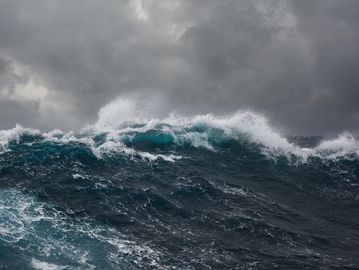
Rip Currents
1. Don't get caught in a Rip
Conserve your energy by not panicking. Float, breathe and wave for help.
2. GO WITH THE FLOW
Relax and float in the current
knowing there is no undertow. Allow the current to take you away from the beach where it will eventually release you offshore. Once this happens, swim perpendicular and toward the beach.
3. If there is large surf or shoreline hazard , wave your hands for help and wait for assistance.
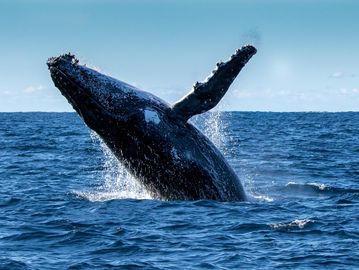
Respecting Wildlife
There are several marine mammals, turtles (Honu), Humpback whales( Kohala), Spinner Dolphins (Nai‘a), Monk Seals, Manta Rays (Hāhālua), and fish in Hawai`i that are protected by both State and federal laws. These legal protections are in place to ensure these species populations continue to recover. Interacting with a “protected species” can be a violation of these laws and may result in harm to the animal, inhibit population recovery, or result in fines or
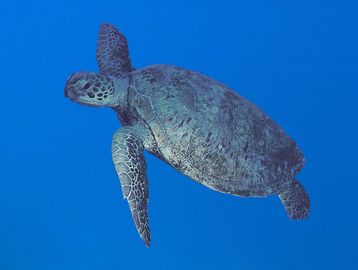
Safe Distance for Marine Life
Keep your distance from protected animals.
- 10 feet from sea turtles (both on land in the water)
- 50 feet from Hawaiian monk seals, or remain behind any signs or barriers
- 50 yards from dolphins and Humpback whales ( do not swim w/ them)
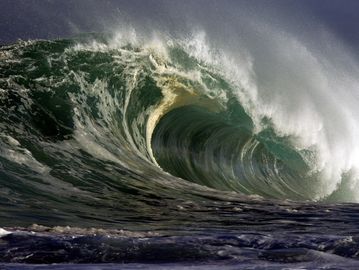
Ocean Conditions Change
Daily & seasonal changes must be monitored closely. Yesterday's calm snorkel spot may be a death trap today.
Hazards can exist in Any Coastal Area
Not just in the water. Be careful on wet sand and rocks. Never swim alone. Know your limits.
Our local lifeguards are very experienced and are water men. They know that prevention is the best way to save lives.

It is illegal to swim with or approach wild spinner dolphins in Hawaii's nearshore waters
. A 2021 regulation from the National Oceanic and Atmospheric Administration (NOAA) made it unlawful for any person, vessel, or object to be within 50 yards of a Hawaiian spinner dolphin. This rule was created to protect the dolphins from chronic human disturbance, which disrupts their essential daytime resting periods.
Spinner dolphins are nocturnal and hunt in deep offshore waters at night.
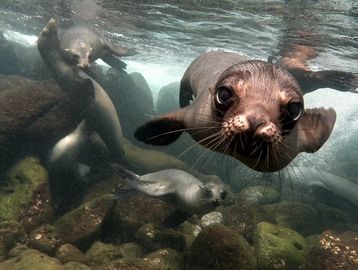
rotected Species
Maintain a safe distance of at least 50 feet (15 meters) from a Hawaiian monk seal. If you encounter a mother with a pup, you must keep an even greater distance of 150 feet (45 meters). Always follow instructions from authorities, and if you notice the seal exhibiting signs of disturbance, such as vocalizing or moving away, you are too close. Monk seals are a protected, endangered species. They need to rest, molt, give birth, and rear their pups undisturbed.
Island Life

In Hawaii, it is customary to remove your shoes before entering someone's home. Never leave valuables unattended around the pool or yard, on the beach or in your car.
Lock doors and windows when away from home, this also helps out when unexpected rain showers and keeps mosquitos away.Add a description about this item
Coqui frogs are a non-native invasive species in Hawaii, causing significant noise pollution and disrupting the ecosystem by preying on native insects, potentially impacting native birds. They are established on the Big Island and Maui and have been found on Oahu and Kauai, likely spreading via human transport through plants or other materials.
Hawaii's year-round, temperate climate attracts critters just like it does people. The mosquitoes have the potential to be vicious. We recommend bug repellent and keeping screen doors closed. Store or refrigerate all food and drinks to discourage ants, roaches and mice. Due to the humidity we experience, it also keeps food from going stale quickly. The good news is that most of them are harmless and there are NO snakes on the Big Island.
GECKOS: If you hear a clicking noise at night, it's most likely a gecko. Geckos are small and harmless and eat their weight (or more) in bugs! Many Hawaiians consider geckos as aumakua, or family god and considered good luck. Keeping doors and screens closed tightly will prevent them from sneaking inside.
Feral pigs, or puaʻa, are a non-native, invasive species in Hawaii with a population estimated at 400,000 as of 2023, causing significant ecological damage to native plants and animals by consuming resources, spreading disease, and destroying habitats. They are found on all main islands except Lanaʻi and are hunted as part of management efforts, though control is challenging due to access issues on state and private lands.
Coral reefs are living animals that grow and reproduce, creating habitats for thousands of marine species and protecting shorelines from erosion. In recent years, there has been a major decline of our world’s reefs — 40 percent in Hawaii' as of 2024. Human interactions has decimated with over swimming, diving Sunscreens containing oxybenzone and octinoxate, two chemicals that have been shown to be damaging to coral reefs, are banned in Hawaii. Avoid touching reef.